Beverage Industry Overview
Whether it's a hot sunny day or an evening gathering with friends, beverages play a crucial role in our daily lives. This high demand necessitates a beverage production industry that is equipped for large-scale output.
When it comes to alcoholic vs non-alcoholic drinks, the figures are staggering: in 2019, non-alcoholic drinks generated over 1 trillion dollars in revenue, while alcoholic drinks surpassed 1.5 trillion dollars (Statista.com, 2020). This industry is a powerhouse that caters to all demographics.
Although alcoholic beverages often face challenges related to regulations, innovation is key in the industry, promoting smaller portions and moderation practices that don’t impact revenue. From brewed drinks like beer and cider to a variety of wines, and hard liquors, there is something for every palate.
With evolving consumer preferences, there is a growing demand for safe and healthy beverage alternatives, which is pushing producers to be more mindful of their ingredients. In response to the rising concern over sugary drinks, many countries have implemented a sugar tax, prompting companies to explore sugar tax alternatives and adjust their recipes accordingly.
Similarly, as consumers gravitate towards naturally colored drinks, producers are shifting away from heavily colored liquids. Many brands are opting for colored bottles instead of clear ones to maintain their identity while meeting consumer demands.
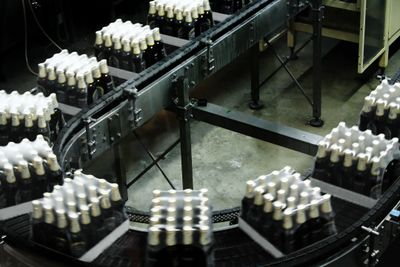
Lastly, the need for different containers for various drinks and demographics presents challenges in beverage production. Many production lines now utilize shared machinery, such as packers and palletizers, to streamline processes while maintaining separate lines for each type of container.
Flowsort logo with modular sorting systems tagline.